


At the mention of a travel to Reunion, images of majestic mountains, verdant cirques and sandy beaches immediately spring to mind. Nestled in the Indian Ocean, this French island offers an unforgettable travel experience, blending adventure, relaxation and cultural discovery.
From a stay in the heart of the wilderness to a hike around the Piton de la Fournaise, via a detour to the charming village of Cilaos, every moment spent on this island is an invitation to marvel.
To best prepare for your Travel to Reunion, it’s essential to learn about the island’s special features. Our practical guide will give you all the information you need for a successful stay.

Reunion is an island in the Indian Ocean, off the east coast of Africa. If you’re planning to go to Réunion, you’ll need to fly from France, usually departing from Paris. The flight takes about eleven hours and you’ll land at Saint-Denis airport, the island’s capital. Flights from other major European cities and South Africa are also available.
Once you’ve arrived on Réunion, there are several options for getting around the island. Car rental is the most practical and flexible solution, allowing you to explore the island at your own pace. Reunion’s roads are mostly in good condition, although some can be winding and steep, particularly those leading to the cirques of Cilaos, Mafate and Salazie. It’s also possible to use public transport, with a network of buses serving most places of interest, but they can be less convenient for hikes or visits off the beaten track.
Preparing a trip to Reunion Island, as with any other destination, requires some organization. Indeed, between choosing the means of transport, selecting the activities and drawing up an itinerary, it is essential to prepare well beforehand to make the most of your stay on the island.
The first stage of preparation concerns transport. As an island, Réunion is mainly accessible by air. The Roland Garros Airport, located near Saint-Denis, is the main point of entry for international travelers. It’s advisable to book your tickets in advance to benefit from lower fares.
Once you’ve arrived on the island, renting a car is the most practical way to get around. This gives you the freedom to explore the different regions of the island, from the beaches of the coast to the high peaks of the interior. Nevertheless, for those who prefer public transport, the island has a fairly comprehensive bus network, albeit less flexible.
The second step is to define an itinerary. Reunion offers a diversity of landscapes and activities, so it can be difficult to see everything in a single trip. It’s best to prioritize according to your preferences. Hiking enthusiasts will head for the cirques of Cilaos, Salazie and Mafate, while those looking to relax will appreciate the beaches of Saint-Gilles or l’Ermitage. Natural sites such as Piton de la Fournaise, one of the world’s most active volcanoes, or Plaine des Sables, are also a must.
Finally, preparing for your trip to Reunion involves taking into account the practical aspects. In particular, you’ll need to check the validity of your passport, take out travel insurance, and find out about any necessary vaccinations. As far as the budget is concerned, it’s worth noting that the cost of living in Réunion is similar to that in mainland France, although some expenses, such as food or accommodation, may be slightly higher.
Réunion enjoys a tropical climate, which means the island is pleasant to visit all year round. However, depending on your preferred activities and tolerance to climatic variations, some periods may be more conducive to a trip to the island.
The year on Reunion Island is divided into two main seasons. The southern summer, from November to April, is the hottest and wettest season. Temperatures can reach 30°C and showers are frequent, particularly in January and February. It’s also during this period that the island is susceptible to cyclones, although tourist infrastructures are well prepared for such events.
The Southern Winter, from May to October, is generally drier and cooler, with temperatures varying between 20 and 25°C. Showers are less frequent and the sea remains pleasant for swimming. This is often the most popular period for hikers, as the trails are less muddy and the heat less oppressive.
On the whole, if you’re planning to hike and discover the upper reaches of the island, the period from May to October would be more suitable. On the other hand, if you plan to spend a lot of time on the beaches and enjoy water sports, the austral summer might be a good option, despite the higher humidity.
Don’t forget that the climate can vary considerably from one part of the island to another, due to the mountainous terrain. So, while it can be hot and sunny on the coast, it can be cool and misty in the cirques or near the summit of Piton de la Fournaise.
Reunion is a destination of choice for family holidays. Between exuberant nature, varied activities, rich culture and beaches for moments of relaxation, the island offers a wide range of options for young and old. However, to ensure a successful stay, it’s essential to know some specific information.
First of all, Réunion Island is renowned for its wild nature and hiking trails. The latter, while magnificent, are not all suitable for younger children or strollers. For families with young children, it would be more advisable to opt for more accessible walks, such as:
For families with older children and teenagers, climbing Piton de la Fournaise could be a memorable adventure.
Secondly, Réunion is lined with beautiful beaches that are perfect for relaxing days out. However, it’s important to note that not all beaches are suitable for swimming due to the presence of coral and rocks. What’s more, some areas are exposed to the risk of shark attacks. So it’s crucial to find out about safe swimming areas, such as Plage de l’Hermitage or Boucan Canot.
Finally, when it comes to accommodation, Réunion offers a wide range of options, from hotels with every comfort to more rustic gites. For families, vacation rentals can be a practical and economical option. Not only do they give you more space, they also allow you to prepare your own meals.
Reunionese cuisine is a veritable festival of flavors. It is the fruit of the blend of cultures that have shaped the island over the centuries: African, European, Malagasy, Chinese and Indian. As a traveler, discovering the reunion’s culinary specialties is an integral part of the island experience.
Among Reunion’s most emblematic dishes, cari holds pride of place. It’s a meat or fish-based stew, usually accompanied by rice, grains (lentils or cape peas) and rougail, a tomato, onion and chili-based preparation. Chicken curry” is one of the most popular, but you can also find “cabri curry” (goat curry), “pork curry” or “fish curry”.
Another must-try specialty is rougail saucisse, a comforting dish of smoked sausages cooked in a spicy tomato sauce. Like curry, it is often served with rice and grains. For vegetarians, “carri ti jacques” is a delicious option. This is a dish based on breadfruit, a type of large tropical fruit, prepared with spices and often served with rice.
For dessert, don’t miss “pate cake“, a soft, dense cake made from sweet potatoes, or “banana curry”, a sweet preparation of bananas cooked in cane sugar and rum.
To accompany these dishes, there’s nothing like a glass of rhum arrangé, a traditional island spirit infused with fruit and spices.
Finally, to discover all these flavors, the “tables d’hôtes” are the places to go. These are small restaurants, often attached to gîtes, offering typical Réunionese dishes. Local markets are also excellent places to sample street food, such as samoussas or bouchons (small steamed ravioli).
Getting around Reunion Island can be done in a variety of ways. The island has a relatively well-developed road network, with roads that cut through the magnificent mountain landscapes and skirt the coasts. However, for a pleasant stay and optimum discovery of the island, it’s important to choose your mode of travel carefully.
A car rental is often considered the most practical means of transport for exploring Réunion. It offers great flexibility and easy access to the various sites of interest. What’s more, driving on Reunion Island is very similar to driving in mainland France, with the same traffic rules. However, driving can be more demanding due to winding roads, steep gradients and frequent changes in weather conditions. So it’s essential to be a confident driver and take your time on the road.
Public transport, particularly buses, are also available on Réunion. They can be an economical alternative to car hire, especially for short journeys or to get to the main towns such as Saint-Denis, Saint-Pierre or Saint-Gilles. However, they may be less practical for travel to more remote areas of the island, where services are less frequent.
For those who love hiking, walking can be an excellent way to discover the island. Reunion boasts a vast network of hiking trails through breathtaking scenery. The more adventurous can even opt for a multi-day hike, with overnight stays in a gîte or refuge.
Finally, cycling can also be an option for getting around Réunion, particularly for short trips or exploring the coastal areas. However, cycling can be more demanding due to the island’s terrain.
The choice of accommodation is a crucial aspect of planning any trip, and Reunion is no exception. Fortunately, the island offers a variety of accommodation options to suit all needs and budgets.
For those seeking optimum comfort, hotels are an obvious option. From Saint-Denis to Saint-Gilles, via Saint-Pierre, the island boasts a wide range of hotels, from budget establishments to luxury complexes. They generally offer a range of services such as daily housekeeping, full- or half-board meals, swimming pools and sometimes even spas.
B&Bs are also a popular option on Reunion Island. They offer a more intimate and authentic experience, often with the possibility of sharing a meal with the owners or other guests. They are usually located in picturesque spots, close to hiking trails or sites of interest.
For travelers on a tighter budget, youth hostels and campsites are an economical alternative. They offer basic facilities, but are often well located and can be a great way to meet other travelers.
Finally, for those who prefer more independence and flexibility, vacation rentals can be an attractive option. Whether it’s apartments in the city, villas by the sea or chalets in the mountains, vacation rentals make it possible to feel at home while traveling.
Choosing which region to stay in on Reunion Island depends largely on the activities you plan to do and the experience you want to have. The island is small, but each region has its own personality and its own attractions.
For hiking and nature lovers, the Cilaos region is a must. Nestled in the heart of an impressive mountain cirque, Cilaos is the starting point for numerous hiking trails, including the ascent of Piton des Neiges, the island’s highest peak. It’s also a region renowned for its thermal springs, lentils and wine.
If you’re more attracted to beach life and water activities, the west of the island is probably the best choice. The towns of Saint-Gilles-les-Bains and L’Hermitage are renowned for their beautiful white sand beaches and calm waters, ideal for swimming and snorkeling. The area is also home to a number of restaurants, bars and nightclubs.
For a more in-depth cultural experience, Saint-Denis, the island’s capital, is an interesting option. This cosmopolitan city offers a mix of Creole, African, Indian and Chinese cultures. Here you’ll find numerous museums, art galleries, restaurants and markets.
If you’re looking to discover Réunion’s diverse landscape, the Plaine des Cafres and Piton de la Fournaise region is a must-see destination. Here, you can explore vast expanses of forest, tea fields, vanilla plantations and, of course, the famous active volcano, Piton de la Fournaise.
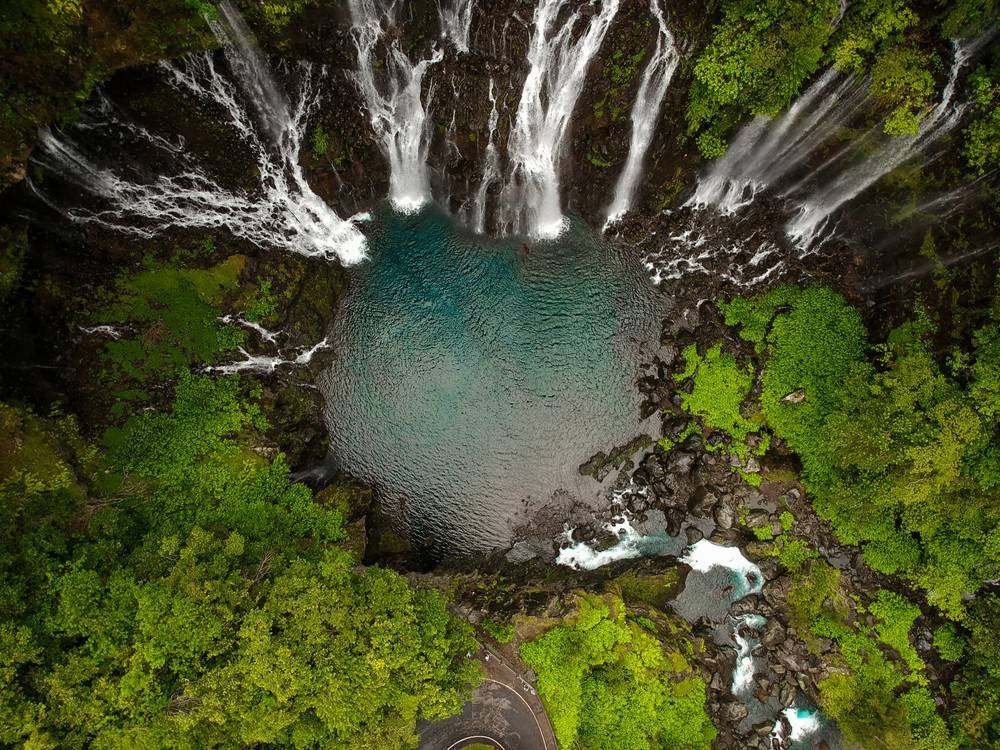
Finally, for a quieter, off-the-beaten-track experience, the Salazie region, with its lush rainforests, waterfalls and quaint little villages like Hell-Bourg, is an excellent choice.
All in all, every region of Reunion has something unique to offer. It is therefore advisable to plan an itinerary that allows you to discover different regions of the island, in order to make the most of everything Réunion has to offer.
In conclusion, Réunion is an exceptional travel destination, offering an impressive variety of landscapes, a rich culture and delicious cuisine. Whether you’re a nature enthusiast, beach lover, foodie or cultural explorer, the island has something to offer for every traveler. To make the most of this fascinating island, it’s important to prepare and plan your trip well. With its rugged mountains, idyllic beaches, lush forests and fascinating mix of cultures, Reunion is an island that will not fail to amaze.
We recommend these other pages: